

Question #1: Last summer I planted impatiens like I do every summer in a shady bed near my maple tree. About halfway through the season I lost them all due to a disease called impatiens downy mildew, which was diagnosed after I called the Home and Garden Information Center. Now what about this year? Can I plant them again like I always do?
Answer #1: Impatiens downy mildew is a new disease found in Maryland that began to show up about halfway through the growing season last summer. The disease is caused by a fungus like microorganism called Plasmopara obducens. The disease affects both seed and cutting propagated garden impatiens (Impatiens walleriana). New Guinea and hybrid impatiens called sunpatiens are not as susceptible. Once plants are infected there is no cure. Removing diseased plants, placing them in a black trash bag and disposing of them is recommended. This year it is not advisable to plant impatiens, especially in the same bed that had diseased plants last year. It is still not known if this disease overwinters in Maryland. You will see fewer impatiens for sale and those that make it to the market will be treated with fungicides. This could be the year of change in your landscape. There are alternatives to impatiens. Shade loving annuals include coleus, wax, winged or angelwing begonias, hypoestes and torenia.
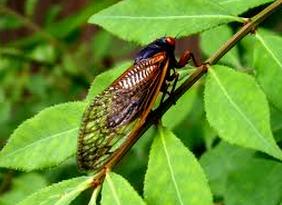
Question #2: The other day I saw on the news that the cicadas were due to emerge this spring. I am planning an anniversary party that will be held outdoors and I am concerned they will ‘crash’ the party. What should I do?
Answer #2: There are multiple broods of the seventeen year cicada also known as periodical cicadas. The majority of Maryland is populated by Brood X, which was the brood that emerged in 2004. This is a large brood and most of the state saw activity. Yes, it is true that Brood II will make an appearance this spring. Think back to 1996. Did you have cicada activity where the party is being held then? If not you should be okay. Keep in mind that cicadas are harmless. They do not bite or sting and can be interesting to watch.
Question #3: For the first time ever I started pepper seeds indoors. They germinated very slowly and after they did I placed them underneath fluorescent lights. I tried to do everything correctly but now they’ve all flopped over and died. What did I do wrong and how can I prevent this from happening again?
Answer#3: Your seedlings have experienced a disease called damping off caused by water molds (fungi) that live in moist growing media. They attack young roots and girdle the stems of seedlings at the soil line. There is no control. Prevent the problem by using a soilless growing mixture labeled for seed starting. Moisten the potting mix before you plant the seeds then water only enough to keep the root system moist. The top of the medium should feel a little dry before watering again. Sanitize containers, flats and labels with a weak bleach solution (1 part bleach to 9 parts water) before using them again.

M. Robinson says
There is something eating the freshly planted Napa Cabbage. What can I do to save the cabbage?