

MENU

Sections

  • Home
  • About
    • Contact Us
    • Editors and Writers
    • Join our Mailing List
    • Letters to Editor Policy
    • Advertising & Underwriting
    • Code of Ethics
    • Privacy
    • Talbot Spy Terms of Use
  • Art and Design
  • Culture and Local Life
  • Public Affairs
    • Ecosystem
    • Education
    • Health
    • Senior Life
  • Community Opinion
  • Sign up for Free Subscription
  • Donate to the Talbot Spy
  • Cambridge Spy

More

  • Support the Spy
  • About Spy Community Media
  • Advertising with the Spy
  • Subscribe
December 1, 2025

Talbot Spy

Nonpartisan Education-based News for Talbot County Community

  • Home
  • About
    • Contact Us
    • Editors and Writers
    • Join our Mailing List
    • Letters to Editor Policy
    • Advertising & Underwriting
    • Code of Ethics
    • Privacy
    • Talbot Spy Terms of Use
  • Art and Design
  • Culture and Local Life
  • Public Affairs
    • Ecosystem
    • Education
    • Health
    • Senior Life
  • Community Opinion
  • Sign up for Free Subscription
  • Donate to the Talbot Spy
  • Cambridge Spy
Food and Garden Notes 00 Post to Chestertown Spy

Adkins Arboretum Mystery Monday: Guess the Photo!

December 1, 2025 by Adkins Arboretum Leave a Comment

Share

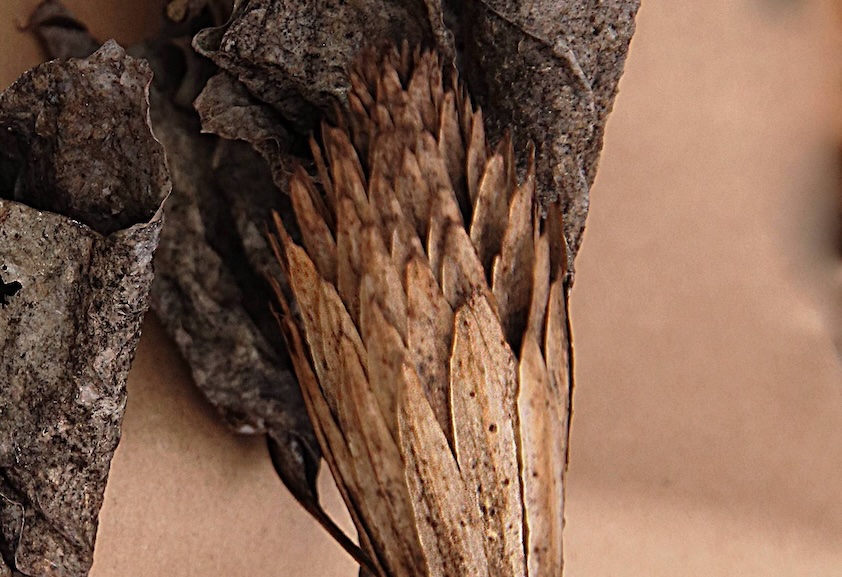
Happy Mystery Monday! Can you guess what is pictured in photo #1?
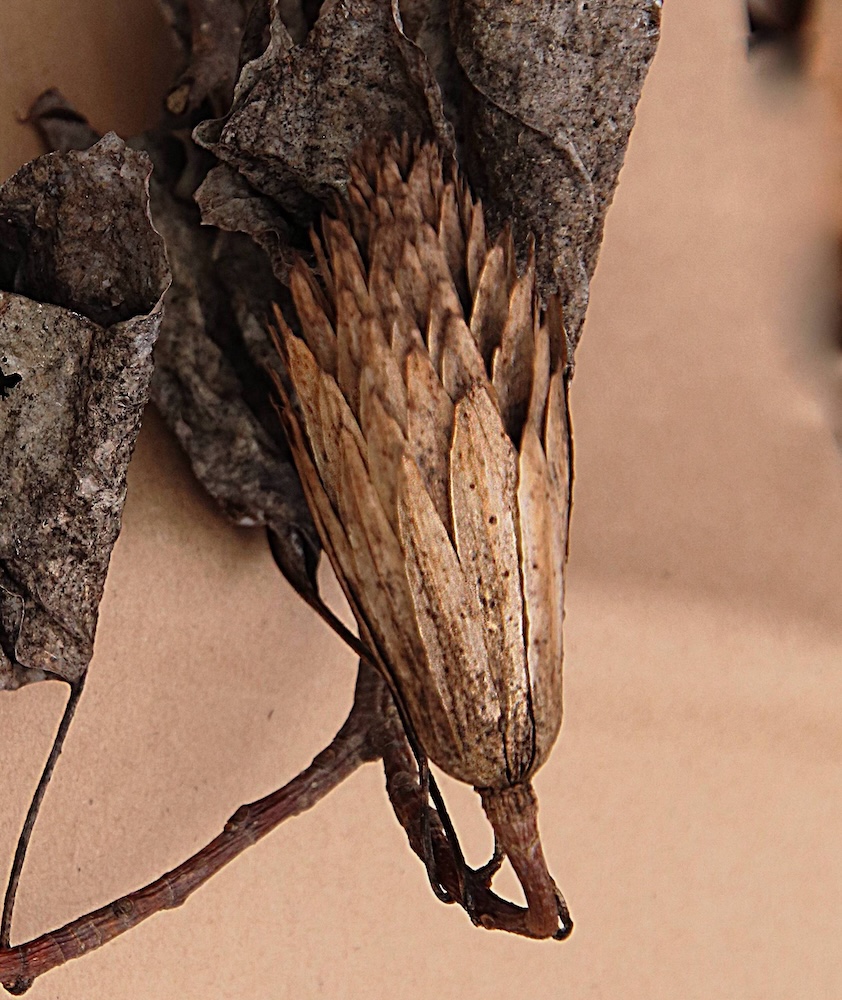
The answer to last week’s mystery is inkberry holly, Ilex glabra, pictured in photo #2.
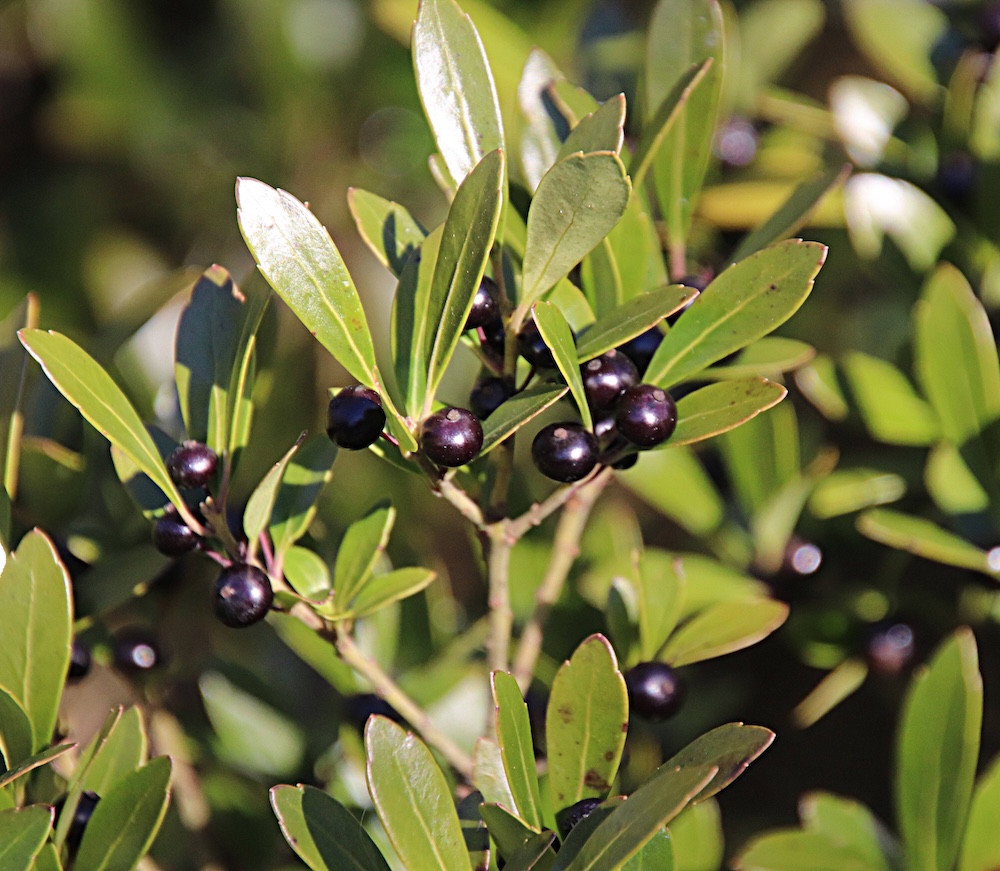
A hardy evergreen native to the eastern and southeastern United States, inkberry holly, Ilex glabra, is a familiar shrub across the Atlantic Coastal Plain. It thrives in a range of habitats but is most at home in damp or wet soils, where its glossy, narrow leaves provide reliable winter interest. Spreading naturally by stolons, inkberry often forms tidy colonies that lend themselves well to massing, hedges, windbreaks, and even rain gardens.

Its nectar-rich flowers support a wide array of pollinators—including specialist bees—and the shrub serves as a larval host for Henry’s elfin butterfly. Like other hollies, its berries are an important food resource for wildlife, though gardeners should remember that inkberry is dioecious, with separate male and female plants required for berry production.

Low-maintenance, versatile, and excellent for erosion control along streams and pond edges, inkberry holly has long been valued both ecologically and culturally. Its nectar is the source of the highly regarded “gallberry honey,” prized for its mild flavor and clarity.

Mystery Monday is sponsored by the Spy Newspapers and Adkins Arboretum.

The Spy Newspapers may periodically employ the assistance of artificial intelligence (AI) to enhance the clarity and accuracy of our content.

Filed Under: Food and Garden Notes, 00 Post to Chestertown Spy

John F. Kennedy and the War in Vietnam – What if? By David Reel Finding Light in a Heavy December By Katherine Emery General

Write a Letter to the Editor on this Article

We encourage readers to offer their point of view on this article by submitting the following form. Editing is sometimes necessary and is done at the discretion of the editorial staff.

Leave a Reply Cancel reply

Your email address will not be published. Required fields are marked *

Copyright © 2025

Affiliated News

  • The Chestertown Spy
  • The Talbot Spy

Sections

  • Arts
  • Culture
  • Ecosystem
  • Education
  • Mid-Shore Health
  • Culture and Local Life
  • Shore Recovery
  • Spy Senior Nation

Spy Community Media

  • Subscribe
  • Contact Us
  • Advertising & Underwriting

Copyright © 2025 · Spy Community Media Child Theme on Genesis Framework · WordPress · Log in