

MENU

Sections

  • Home
  • About
    • Contact Us
    • Editors and Writers
    • Join our Mailing List
    • Letters to Editor Policy
    • Advertising & Underwriting
    • Code of Ethics
    • Privacy
    • Talbot Spy Terms of Use
  • Art and Design
  • Culture and Local Life
  • Public Affairs
    • Ecosystem
    • Education
    • Health
    • Senior Life
  • Community Opinion
  • Sign up for Free Subscription
  • Donate to the Talbot Spy
  • Cambridge Spy

More

  • Support the Spy
  • About Spy Community Media
  • Advertising with the Spy
  • Subscribe
January 2, 2026

Talbot Spy

Nonpartisan Education-based News for Talbot County Community

  • Home
  • About
    • Contact Us
    • Editors and Writers
    • Join our Mailing List
    • Letters to Editor Policy
    • Advertising & Underwriting
    • Code of Ethics
    • Privacy
    • Talbot Spy Terms of Use
  • Art and Design
  • Culture and Local Life
  • Public Affairs
    • Ecosystem
    • Education
    • Health
    • Senior Life
  • Community Opinion
  • Sign up for Free Subscription
  • Donate to the Talbot Spy
  • Cambridge Spy
00 Post to Chestertown Spy Food and Garden Notes

Adkins Arboretum Mystery Monday: Guess the Photo!

December 29, 2025 by Adkins Arboretum 1 Comment

Share

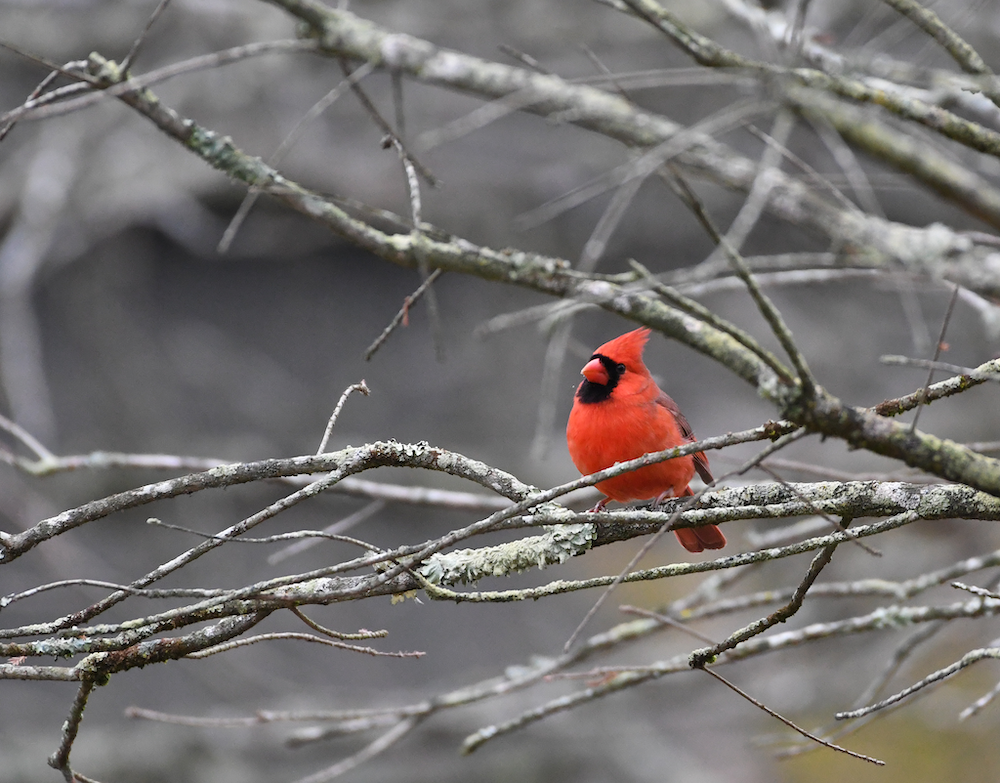
Happy Mystery Monday! Can you guess who is pictured in photo #1?
The answer to last week’s mystery is winterberry, Ilex verticillata, pictured in photo #2.
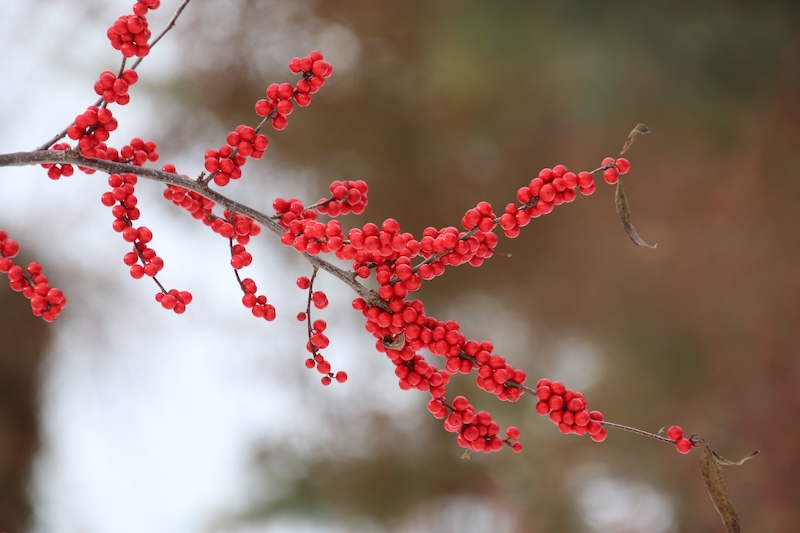
Winterberry, Ilex verticillata, is best known for the bright red fruits that cling to its bare branches through Fall and Winter. Despite the name, these colorful structures aren’t berries at all: they’re drupes, the same type of fruit that includes cherries, peaches, olives, and plums. Each drupe consists of a fleshy outer layer surrounding a hard, stone-like “nutlet” that contains one or two smooth seeds.

After hard frosts, the outer flesh becomes especially sugary, making winterberry drupes a high-energy food source for birds and wildlife when little else is available. While highly valuable to animals, the fruits are poisonous to humans. The tough seed coat protects the seeds from damage and digestion, allowing them to pass through birds intact and be deposited elsewhere, helping the plant spread naturally.

By holding onto its fruit long after leaves have dropped, winterberry plays a critical role in Winter ecosystems. Its glowing drupes provide both nourishment and visual interest at a time of year when food — and color — are otherwise scarce, making it one of the most important native shrubs for cold-season wildlife support.

Mystery Monday is sponsored by the Spy Newspapers and Adkins Arboretum.

Bird photograph by Larisa Prezioso.

The Spy Newspapers may periodically employ the assistance of artificial intelligence (AI) to enhance the clarity and accuracy of our content.

Filed Under: 00 Post to Chestertown Spy, Food and Garden Notes

Spy Poetry:  In This Brief World by Deidra Greenleaf Allan Gratitude in the Hardest Seasons By Katherine Emery General

Leave a Reply Cancel reply

Your email address will not be published. Required fields are marked *

Letters to Editor

  1. Rebecca Gaffney says

    December 29, 2025 at 5:11 PM

    A beautiful Male Cardinal!

    Reply

Write a Letter to the Editor on this Article

We encourage readers to offer their point of view on this article by submitting the following form. Editing is sometimes necessary and is done at the discretion of the editorial staff.

Copyright © 2026

Affiliated News

  • The Chestertown Spy
  • The Talbot Spy

Sections

  • Arts
  • Culture
  • Ecosystem
  • Education
  • Mid-Shore Health
  • Culture and Local Life
  • Shore Recovery
  • Spy Senior Nation

Spy Community Media

  • Subscribe
  • Contact Us
  • Advertising & Underwriting

Copyright © 2026 · Spy Community Media Child Theme on Genesis Framework · WordPress · Log in