

MENU

Sections

  • Home
  • About
    • Contact Us
    • Editors and Writers
    • Join our Mailing List
    • Letters to Editor Policy
    • Advertising & Underwriting
    • Code of Ethics
    • Privacy
    • Talbot Spy Terms of Use
  • Art and Design
  • Culture and Local Life
  • Public Affairs
    • Ecosystem
    • Education
    • Health
    • Senior Life
  • Community Opinion
  • Sign up for Free Subscription
  • Donate to the Talbot Spy
  • Cambridge Spy

More

  • Support the Spy
  • About Spy Community Media
  • Advertising with the Spy
  • Subscribe
February 16, 2026

Talbot Spy

Nonpartisan Education-based News for Talbot County Community

  • Home
  • About
    • Contact Us
    • Editors and Writers
    • Join our Mailing List
    • Letters to Editor Policy
    • Advertising & Underwriting
    • Code of Ethics
    • Privacy
    • Talbot Spy Terms of Use
  • Art and Design
  • Culture and Local Life
  • Public Affairs
    • Ecosystem
    • Education
    • Health
    • Senior Life
  • Community Opinion
  • Sign up for Free Subscription
  • Donate to the Talbot Spy
  • Cambridge Spy
Food and Garden Notes 00 Post To All Spies

Adkins Arboretum Mystery Monday: Guess the Photo!

February 16, 2026 by Adkins Arboretum Leave a Comment

Share

Happy Mystery Monday! Can you guess what is pictured in photo #1?
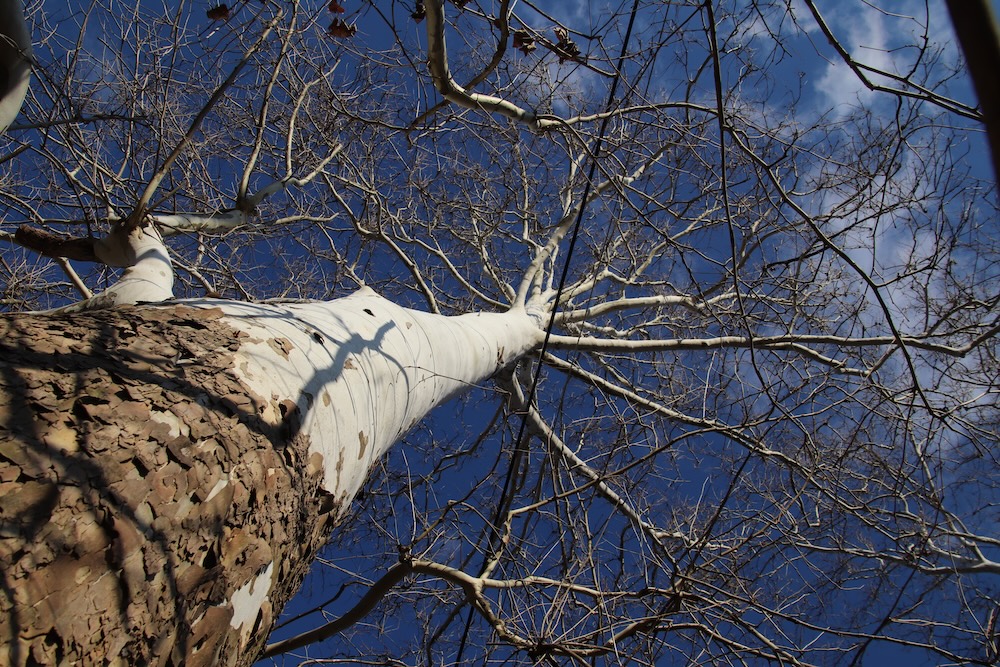
The answer to last week’s mystery is the American robin, Turdus migratorius, pictured in photo #2.
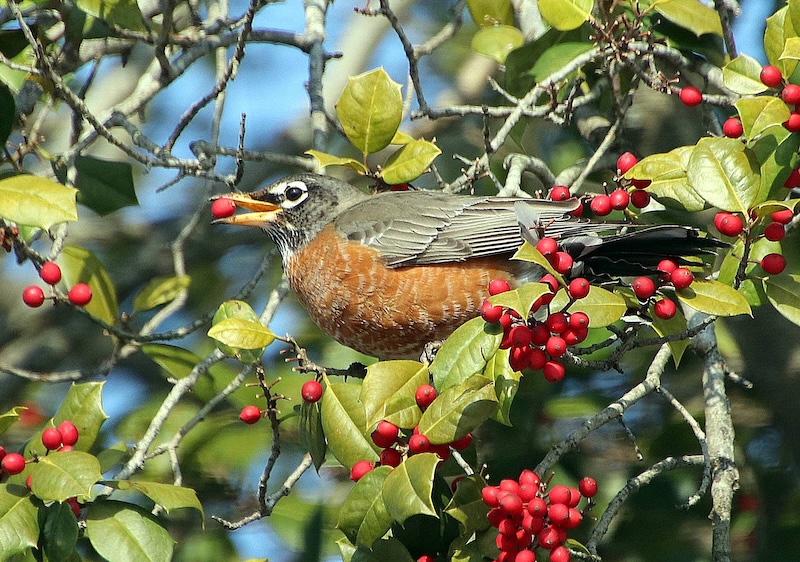
 

The American robin, Turdus migratorius, is one of the most familiar birds in North America. Despite their association with Spring, many robins remain in their breeding range all Winter. During the colder months, their diet shifts from insects to fruit, and they roam widely in search of berry-rich trees and shrubs.

In Spring and Summer, robins hop and run across lawns, cocking their heads to listen for earthworms before pulling them from the soil. They also eat caterpillars, beetles, grasshoppers, and other insects, and will even catch prey in midair. Because they forage heavily on lawns, robins are especially vulnerable to pesticide exposure, making them important indicators of chemical pollution in the environment.

By Fall and Winter, fruit takes center stage. Robins feed on holly, juniper, dogwood, sumac, elderberry, crabapple, and Virginia creeper, sometimes forming large, nomadic flocks to locate abundant food sources. They may gather by the dozens, sometimes accompanied by cedar waxwings, to binge on holly berries, moving between feeding and nearby perches to digest. A single tree can be stripped clean in hours or days, a vivid reminder of how essential Winter fruit is to sustaining wildlife through the lean months.

Mystery Monday is sponsored by the Spy Newspapers and Adkins Arboretum.

The Spy Newspapers may periodically employ the assistance of artificial intelligence (AI) to enhance the clarity and accuracy of our content.

Filed Under: Food and Garden Notes, 00 Post To All Spies

Shrove Tuesday Pancake Supper By Katherine Emery General Presidential Performance Approval Ratings and Midterm Congressional Elections by David Reel

Write a Letter to the Editor on this Article

We encourage readers to offer their point of view on this article by submitting the following form. Editing is sometimes necessary and is done at the discretion of the editorial staff.

Leave a Reply Cancel reply

Your email address will not be published. Required fields are marked *

Copyright © 2026

Affiliated News

  • The Chestertown Spy
  • The Talbot Spy

Sections

  • Arts
  • Culture
  • Ecosystem
  • Education
  • Mid-Shore Health
  • Culture and Local Life
  • Shore Recovery
  • Spy Senior Nation

Spy Community Media

  • Subscribe
  • Contact Us
  • Advertising & Underwriting

Copyright © 2026 · Spy Community Media Child Theme on Genesis Framework · WordPress · Log in