

MENU

Sections

  • Home
  • About
    • Contact Us
    • Editors and Writers
    • Join our Mailing List
    • Letters to Editor Policy
    • Advertising & Underwriting
    • Code of Ethics
    • Privacy
    • Talbot Spy Terms of Use
  • Art and Design
  • Culture and Local Life
  • Public Affairs
    • Ecosystem
    • Education
    • Health
    • Senior Life
  • Community Opinion
  • Sign up for Free Subscription
  • Donate to the Talbot Spy
  • Cambridge Spy

More

  • Support the Spy
  • About Spy Community Media
  • Advertising with the Spy
  • Subscribe
January 19, 2026

Talbot Spy

Nonpartisan Education-based News for Talbot County Community

  • Home
  • About
    • Contact Us
    • Editors and Writers
    • Join our Mailing List
    • Letters to Editor Policy
    • Advertising & Underwriting
    • Code of Ethics
    • Privacy
    • Talbot Spy Terms of Use
  • Art and Design
  • Culture and Local Life
  • Public Affairs
    • Ecosystem
    • Education
    • Health
    • Senior Life
  • Community Opinion
  • Sign up for Free Subscription
  • Donate to the Talbot Spy
  • Cambridge Spy
Archives

Adkins Mystery Monday: What Grows on American Beech Trees?

March 7, 2022 by Adkins Arboretum

Share
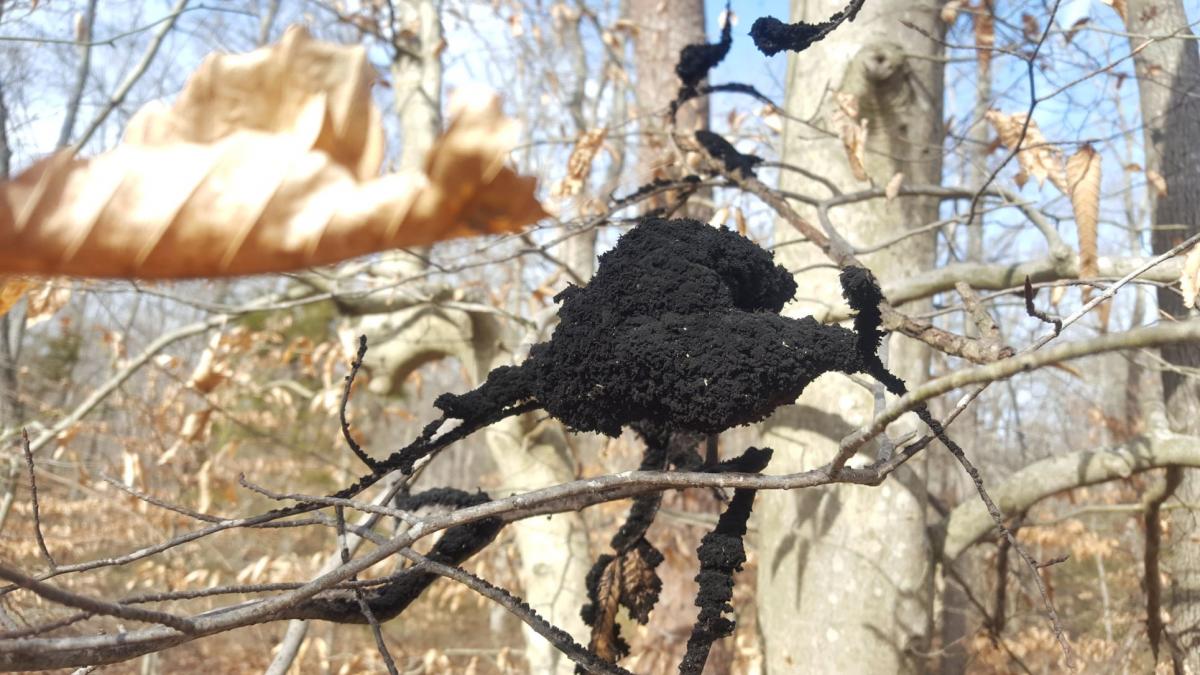
Happy Mystery Monday! Do you know what is powdery, black, and growing in this American beech tree?
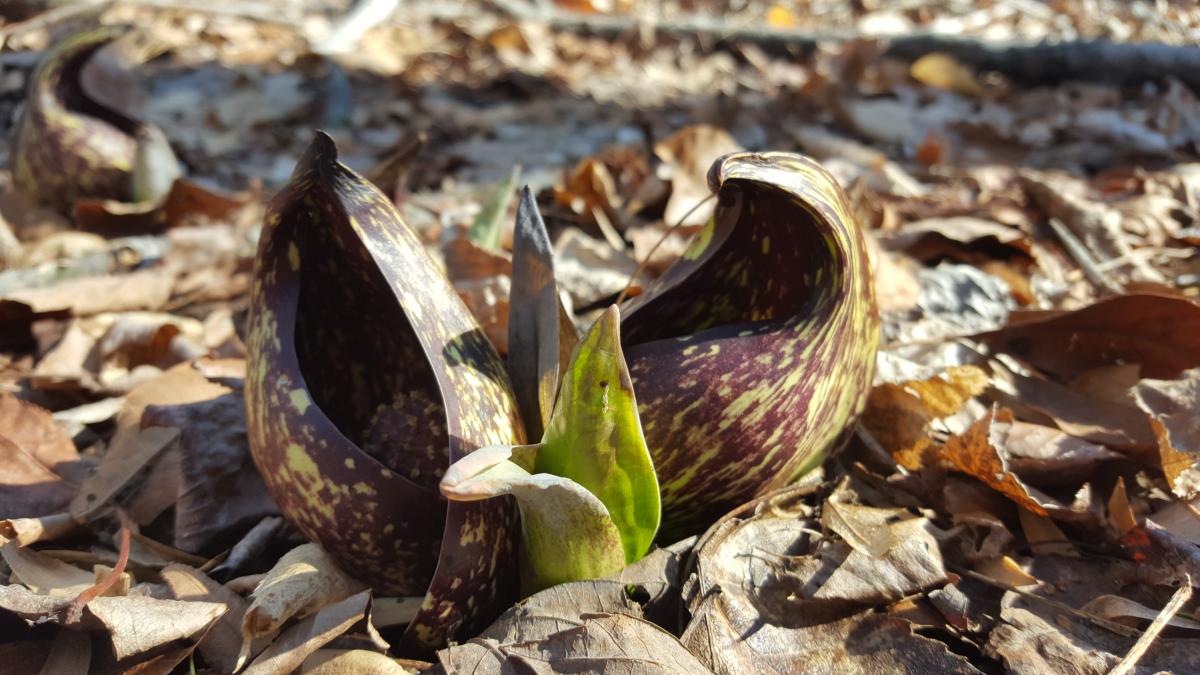
Last week, we asked you about skunk cabbage (Symplocarpus foetidus). Skunk cabbage is one of the earliest native plants to wake up and flower in the spring. This plant is thermogenic, meaning that it can generate its own heat. This gives it multiple advantages including helping the plant to pop up through any frozen ground or snow and spreading its malodorous aroma to attract pollinators. When the leaves are bruised, they also give off a rather pungent smell, keeping the plant true to its name.
Adkins Mystery Monday is sponsored by the Spy and Adkins Arboretum. For more information go here.

The Spy Newspapers may periodically employ the assistance of artificial intelligence (AI) to enhance the clarity and accuracy of our content.

Filed Under: Archives

Creek Reflections by George Merrill Focus on Talbot: Lakeside to be Railroaded Through Tomorrow Night? By Dan Watson

Letters to Editor

  1. Worrall (:Nick") Carter says

    March 7, 2022 at 6:01 PM

    The black substance is a specialized fungus, “Sooty mold” , Scorias spongiosa. It develops by feeding upon the wastes-=- “honeydew” of a specialist beech aphid, Grylloprociphilus imbricator. We’ve seen it for years on our beeches near the upper Choptank outside Greensboro. However, its exact identification had to wait6 on literature review by Wayne Tyndall, plant ecologist formerly with DNR. GO, Wayne !

Write a Letter to the Editor on this Article

We encourage readers to offer their point of view on this article by submitting the following form. Editing is sometimes necessary and is done at the discretion of the editorial staff.

Copyright © 2026

Affiliated News

  • The Chestertown Spy
  • The Talbot Spy

Sections

  • Arts
  • Culture
  • Ecosystem
  • Education
  • Mid-Shore Health
  • Culture and Local Life
  • Shore Recovery
  • Spy Senior Nation

Spy Community Media

  • Subscribe
  • Contact Us
  • Advertising & Underwriting

Copyright © 2026 · Spy Community Media Child Theme on Genesis Framework · WordPress · Log in