
MENU

Sections

  • Home
  • About
    • Contact Us
    • Editors and Writers
    • Join our Mailing List
    • Letters to Editor Policy
    • Advertising & Underwriting
    • Code of Ethics
    • Privacy
    • Talbot Spy Terms of Use
  • Art and Design
  • Culture and Local Life
  • Public Affairs
    • Ecosystem
    • Education
    • Health
    • Senior Life
  • Community Opinion
  • Sign up for Free Subscription
  • Donate to the Talbot Spy
  • Cambridge Spy

More

  • Support the Spy
  • About Spy Community Media
  • Advertising with the Spy
  • Subscribe
December 22, 2025

Talbot Spy

Nonpartisan Education-based News for Talbot County Community

  • Home
  • About
    • Contact Us
    • Editors and Writers
    • Join our Mailing List
    • Letters to Editor Policy
    • Advertising & Underwriting
    • Code of Ethics
    • Privacy
    • Talbot Spy Terms of Use
  • Art and Design
  • Culture and Local Life
  • Public Affairs
    • Ecosystem
    • Education
    • Health
    • Senior Life
  • Community Opinion
  • Sign up for Free Subscription
  • Donate to the Talbot Spy
  • Cambridge Spy
Food and Garden Notes 00 Post to Chestertown Spy

Wine of the Week: Holiday 2025 Trio

December 19, 2025 by Jennifer Martella Leave a Comment

Ciao Tutti!

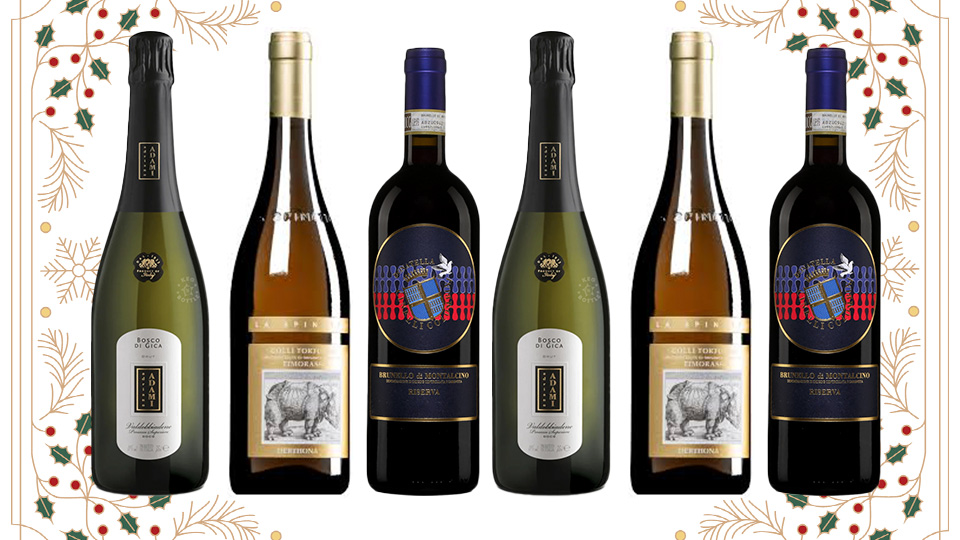
As the holiday song says, “It’s the Most Wonderful Time of the Year”, for at Piazza Italian Market this weekend, we will be offering three tastings for your consideration to accompany your holiday feasts. For a bubbly, we offer the Bosco Di Gica Valdobbiadene Prosecco Superiore Sparkling Wine Brut DOCG 2025 ($27.75, ABV 11%) from the Adami vineyard in Colbertaldo di Vidor, Valdobbiadene, Italy. For a white wine, we offer the Colli Tortonesi DOC “Timorasso” 2023 from the La Spinetta winery in Castagnole Delle Lanze near Asti in Piemonte. For the red wine, we offer the Brunello di Montalcino DOCG 2019 ($75.95,14% ABV) from Donatella Cinelli Colombini’s Casato Prime Donne winery in Montalcino. 

Bosco Di Gica: What is a holiday without a bubbly? “Bosco di Gica” translates as “ancient forest” in homage to the historic site of the winemaker’s family. The winery was founded in the 1920’s by Adele Adami when he bought the natural amphitheater shaped vineyard from Count Balbi Valier and the winery is now managed by the third generation of Armando and Franco.
Bosco Di Gica’s predominant grape is Glera, with a small (3-7%) of Chardonnay and is vinified using the Charmat Method, in which the second fermentation process occurs in a stainless steel tank instead of the bottle. This  new Prosecco for Piazza has become quite popular for its fresh, crisp character, notes of orchard fruit (apple, peach) and white flowers (acacia, wisteria)  with a savory, mineral finish. 

Colli Tortonese DOC Timoresso: This wine’s distinctive label depicting the Durer print of a rhinoceros will be quite familiar to Piazza devotees of the winery’s Sangiovese and Rose’ in Piazza’s collection. The winery was founded by Giuseppe and Lidia Rivetti in the 1960’s and their children share management of the winery that is located in the hills of Piemonte.
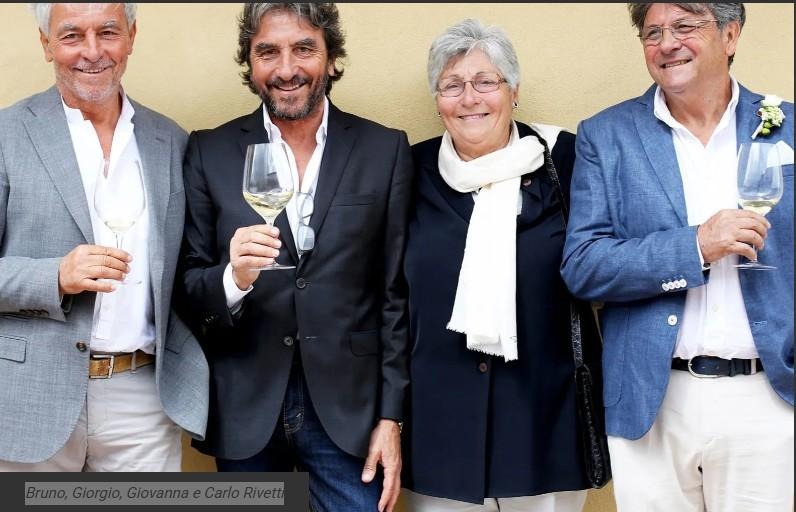
Timorasso is an ancient indigenous grape of Piemonte with delicate citrus and floral notes, great structure and a long, vibrant finish. Timorasso is considered to be one of Italy’s unique and interesting white wines; legend has it that Leonardo di Vinci was a fan. When he attended Isabella di Aragona’s wedding, his gifts to her were Montebore cheese and a bottle of Timorasso wine, which was then considered to be the perfect pairing for the cheese. 

Donatella Cinelli Colombini Brunello di Montalcino DOCG: Winemaker Donatella founded her two wineries, Casato Prime Donne and Fattoria del Colle in 2000 on land that had been in her family since the 16th century. One of her grandfathers was a pioneer in the Montalcino denomination and she learned his lessons well. She quickly rose to prominence and added the Fattoria del Colle Country Inn with a restaurant, cooking school, gardens and a fitness center. Her honors include being awarded the 2003 Oscar Bibenda Prize for wine producers, followed by the International Vinitaly award in 2012.   
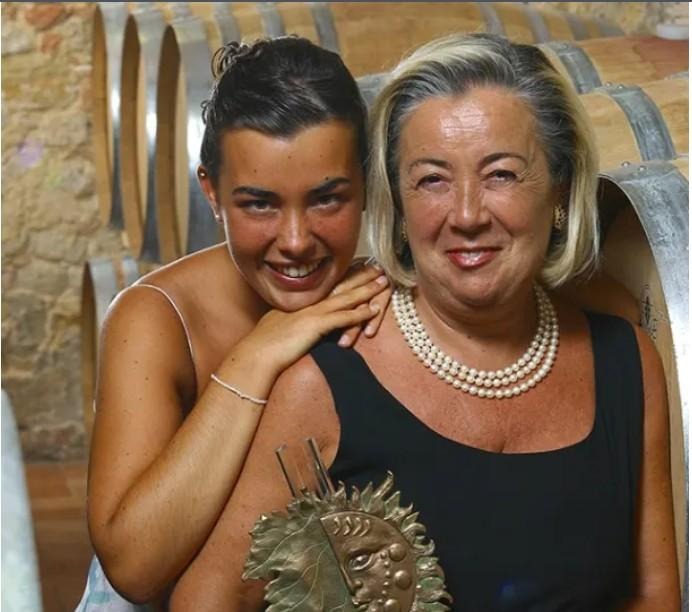
Her Casato Prime Donne is the first Italian winery to be staffed entirely by women and has earned international fame. It is devoted solely to the production of Brunello with 17 of the 40 hectares planted with Sangiovese for the production and aging of both Rosso and Brunello di Montalcino wines. 

Brunello is my choice for Christmas so I could rhapsodize about Brunello ad nauseum! If you haven’t yet tasted it, get ready for a taste sensation of fruits (blackberry, black cherry, plum and raspberry), floral notes (cloves, vanilla, violets) with firm tannins and a full body-nectar for the gods!

Come join me for our special Holiday Tasting on Friday from noon to 5:45 and Saturday from noon to 4:45

Cin Cin!

Jenn


Piazza Italian Market is located in the Talbot Town Shopping Center at 218 N. Washington St., suite 23, in Easton, MD

Contributor Jennifer Martella has pursued dual careers in architecture and real estate since she moved to the Eastern Shore in 2004. She has reestablished her architectural practice for residential and commercial projects and is a real estate agent for Meredith Fine Properties. She especially enjoys using her architectural expertise to help buyers envision how they could modify a potential property. Her Italian heritage led her to Piazza Italian Market, where she hosts wine tastings every Friday and Saturday afternoons.
The Spy Newspapers may periodically employ the assistance of artificial intelligence (AI) to enhance the clarity and accuracy of our content.

Filed Under: Food and Garden Notes, 00 Post to Chestertown Spy

Adkins Arboretum Mystery Monday: Guess the Photo!

December 15, 2025 by Adkins Arboretum 2 Comments

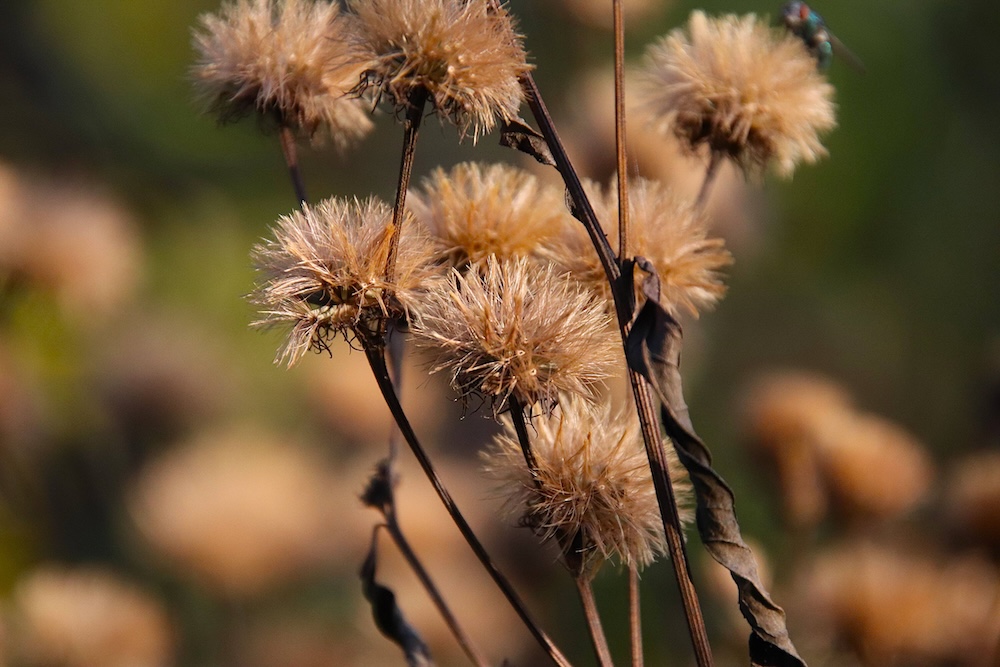
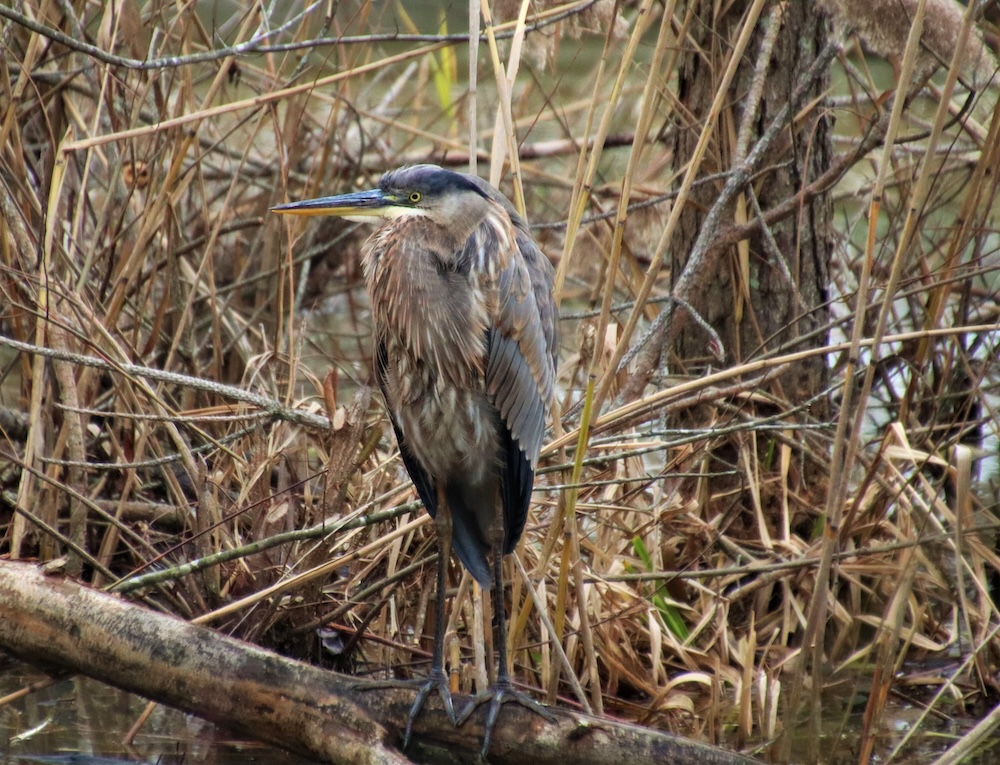
Happy Mystery Monday! Can you guess what is pictured in photo #1?

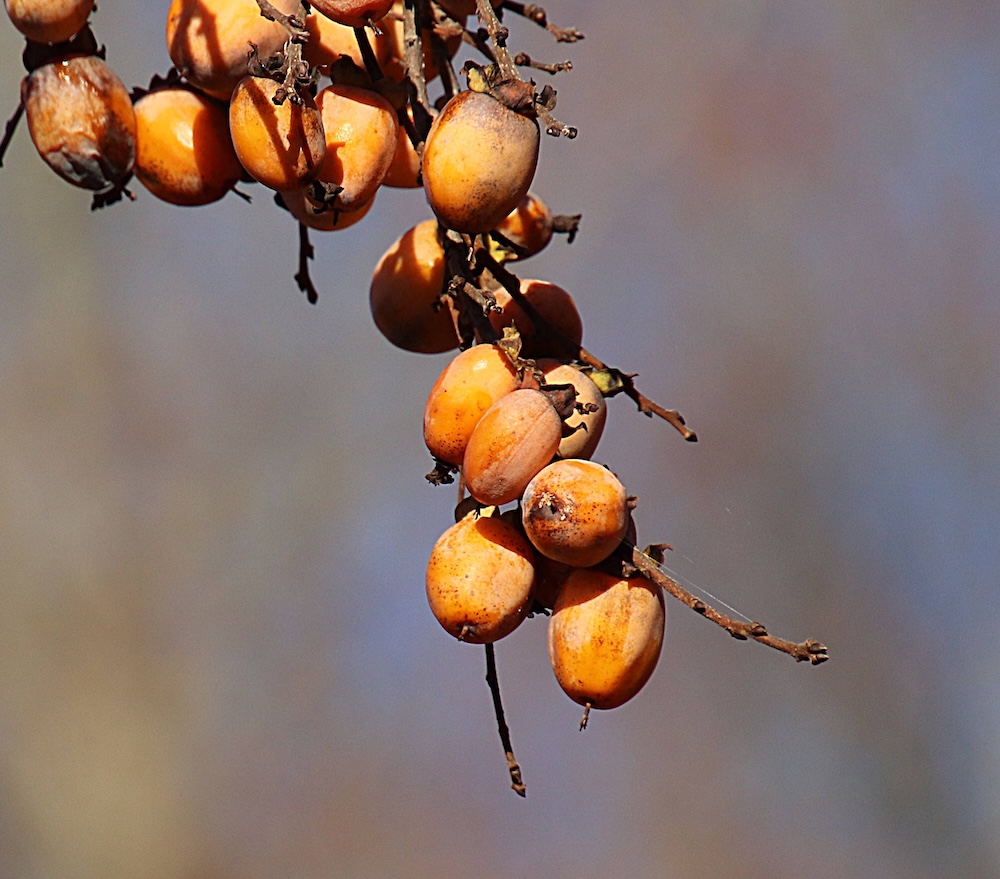
The answer to last week’s mystery is the common persimmon, Diospyros virginiana, pictured in photo #2.

The common persimmon, Diospyros virginiana, is a slow-growing native tree found across the central and eastern United States, from Connecticut to Florida and west to Texas. In Fall, its walnut-sized orange fruits begin to appear—often overlooked on the small, bare-branched trees as showier foliage steals the spotlight. Unripe persimmons are famously astringent, but once softened by frost or season, the ripe fruit becomes a sweet, custard-like treat.

Persimmon thrives in full sun to partial shade and grows best in moist, well-drained sandy soils, especially in bottomlands, though it tolerates heat, drought, poor soils, and wind. Trees are dioecious, requiring both male and female plants for fruit production, and they take several years to mature; the best yields come from trees 25–50 years old. One of the tree’s most distinctive features is its thick, dark gray “alligator bark,” divided into blocky plates, paired with fall foliage that ranges from yellow to brilliant red.

Beyond its beauty, persimmon is valuable to both people and wildlife. Its fruit feeds a variety of animals in Winter, and the tree serves as a host plant for several moth species, including the luna moth. Its hard wood has famously been used for golf club heads and billiard cues, and the fruit pulp appears in cakes, breads, and ice creams. Even its dried leaves can be brewed into tea. Folklore adds one more charm: what you see when splitting a seed is said to predict winter weather—spoons for snow, knives for bitter cold, and forks for a mild season.

Mystery Monday is sponsored by the Spy Newspapers and Adkins Arboretum.

The Spy Newspapers may periodically employ the assistance of artificial intelligence (AI) to enhance the clarity and accuracy of our content.

Filed Under: 00 Post to Chestertown Spy, Food and Garden Notes

Wine of the Week: Erbaluce di Caluso DOCG from the Cieck Winery

December 12, 2025 by Jennifer Martella Leave a Comment

Ciao Tutti!

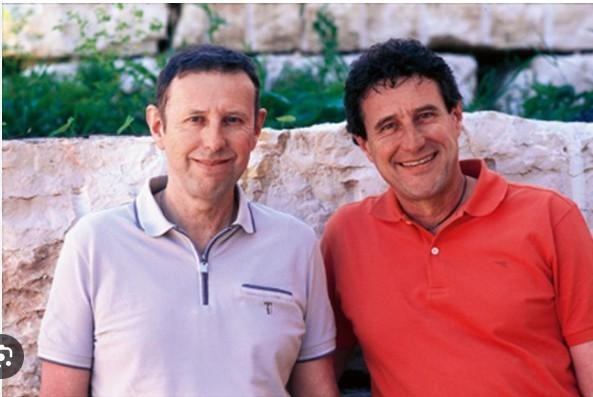
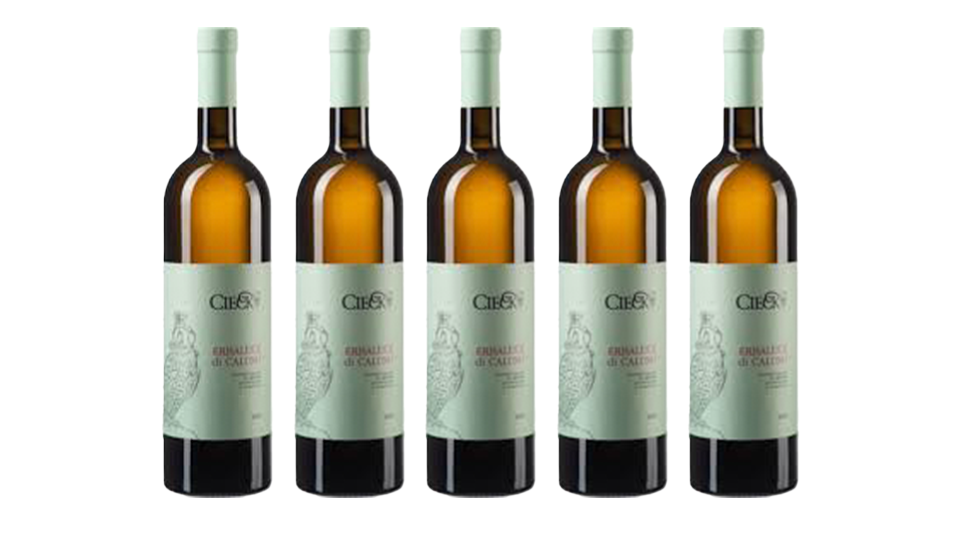
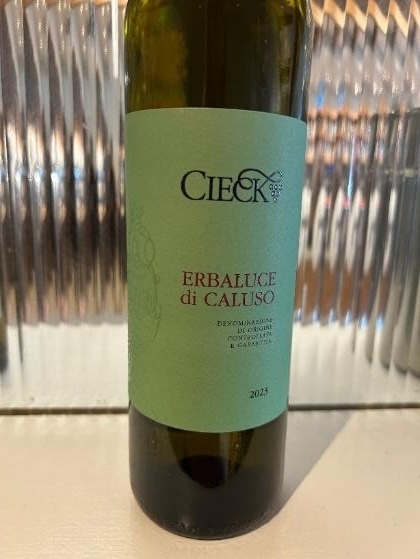
This weekend at Piazza Italian Market, we will taste the Erbaluce di Caluso DOCG ($19.50, 12.5% ABV) from the Cieck winery in San Giorgio Canavese, near Turin in Piemonte.  “Erbaluce” translates as “dawn light” for the grape’s pale yellow-green color that resembles dawn’s early light. “Cieck” was the name of an old farmhouse on the site where the winery was founded in 1985, on land where at the end of the 19th century, one of the owner’s great-great-grandfather grew his grapes. The embossed profile of a falcon on the label is a sly reference to the last name of two of the three winemakers, “Falconieri”. The design also includes a swirl of the “k” in Cieck that becomes a stem above a triangle of circles that symbolize grapes.

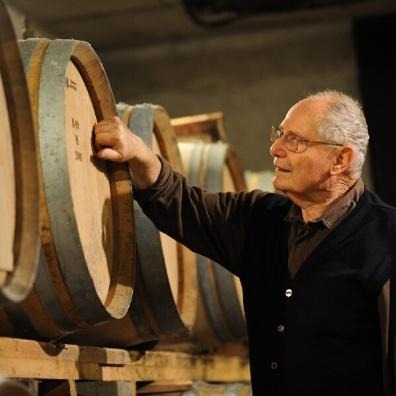
Erbaluce is an ancient grape that was Piemonte’s first white wine DOC and now enjoys its DOCG designation. Initially, winemaker Remo Falconieri intended to grow grapes to become a small producer of sparkling wines. He left his job at Olivetti as a typewriter designer to spend time in France learning about the production of sparking wines. His first harvest of Erbaluce Metodo Classico was released in 1987. Fate intervened and now Cieck is a trio who produce three sparkling wines, one rose’, two white wines, three red wines and one dessert wine. 

Remo Falconieri

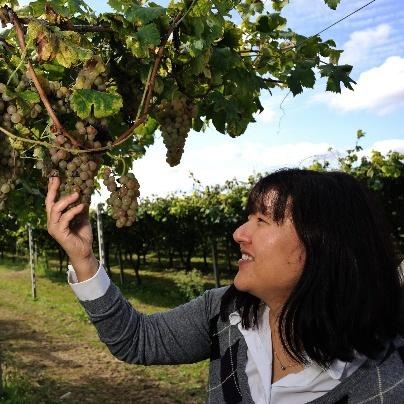
Lia Falconieri

Domenico Caretto


The winery has five vineyards and Erbaluce is grown in the 1.8 hectare Misobolo vineyard. It is the oldest vineyard that still has an original, ungrafted vine that is almost 100 years old. The vine was planted before the attack of phylloxera that decimated Europe’s vineyards. Cieck uses the “pergola” system to train their vines to spread out and form canopies in neat rows throughout the vineyard. At harvest time, workers must reach up instead of down to harvest  the grapes. 

I enjoy Erbaluce for its fresh bouquet, minerality, and bright acidity; it is a perfect paring with one of Piazza’s cheeses, which we will taste this weekend. It is also pairs well with oysters, any fresh fish or light creamy entrees. Erbaluce has earned a following with customers but if you have not yet tasted it, come join me Friday from noon to 5:45 or Saturday from noon to 4:45.

Cin Cin!

Jenn


Piazza Italian Market is located in the Talbot Town Shopping Center, suite 23, in Easton, MD.

Contributor Jennifer Martella has pursued dual careers in architecture and real estate since she moved to the Eastern Shore in 2004. She has reestablished her architectural practice for residential and commercial projects and is a real estate agent for Meredith Fine Properties. She especially enjoys using her architectural expertise to help buyers envision how they could modify a potential property. Her Italian heritage led her to Piazza Italian Market, where she hosts wine tastings every Friday and Saturday afternoons.
The Spy Newspapers may periodically employ the assistance of artificial intelligence (AI) to enhance the clarity and accuracy of our content.

Filed Under: 00 Post to Chestertown Spy, Food and Garden Notes

Adkins Arboretum Mystery Monday: Guess the Photo!

December 8, 2025 by Adkins Arboretum

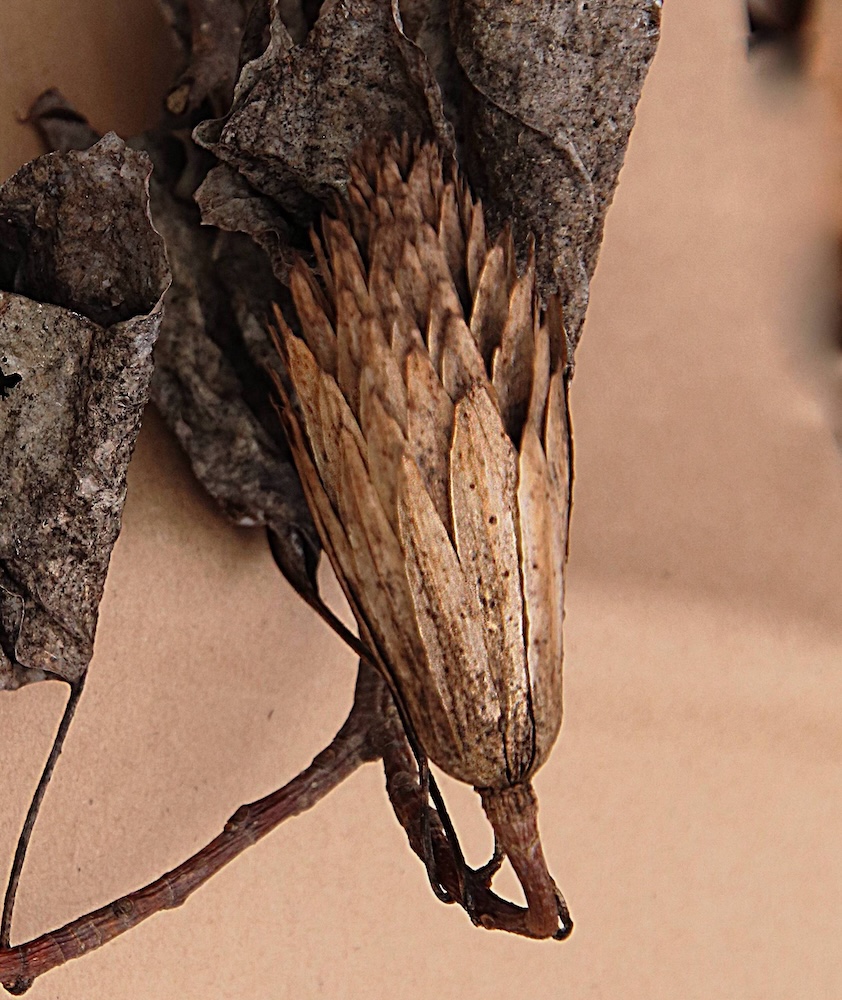
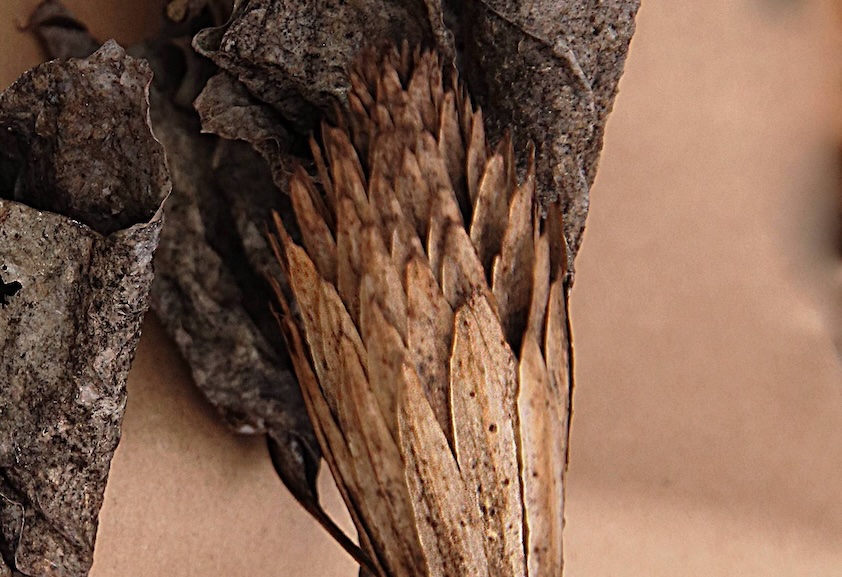
Happy Mystery Monday! Can you guess what is pictured in photo #1?

The answer to last week’s mystery is the carpel of a tulip tree, Liriodendron tulipifera, pictured in photo #2.

One of the most iconic hardwoods of eastern North America, the tulip tree, Liriodendron tulipifera, is known for its tall, straight trunk and narrow crown—traits that make it instantly recognizable in the forest. In Summer droughts, these trees often act as “drought indicators,” shedding yellowing interior leaves as a survival strategy when soil moisture drops.

Its Spring flowers, though often hidden high in the canopy, are among the most striking of any native tree: yellow-green with an orange band at the base of each petal and shaped like miniature tulips. Many people first notice them only when the petals fall to the ground. By late Summer and Fall, the flowers give way to upright, cone-shaped clusters of dry, woody carpels—structures that resemble carved wooden flowers. These cone-like fruits persist into Winter before gradually releasing their winged seeds to the wind.

A single mature tulip poplar can produce tens of thousands of viable seeds, and seedfalls of over a million per hectare are not uncommon. Yet despite this abundance, Liriodendron seeds require a lengthy process to germinate, including prolonged cold stratification followed by warm, moist conditions. Long-lived, stately, and ecologically important, the tulip tree remains one of the defining trees of eastern forests.

Mystery Monday is sponsored by the Spy Newspapers and Adkins Arboretum.

The Spy Newspapers may periodically employ the assistance of artificial intelligence (AI) to enhance the clarity and accuracy of our content.

Filed Under: 00 Post to Chestertown Spy, Food and Garden Notes

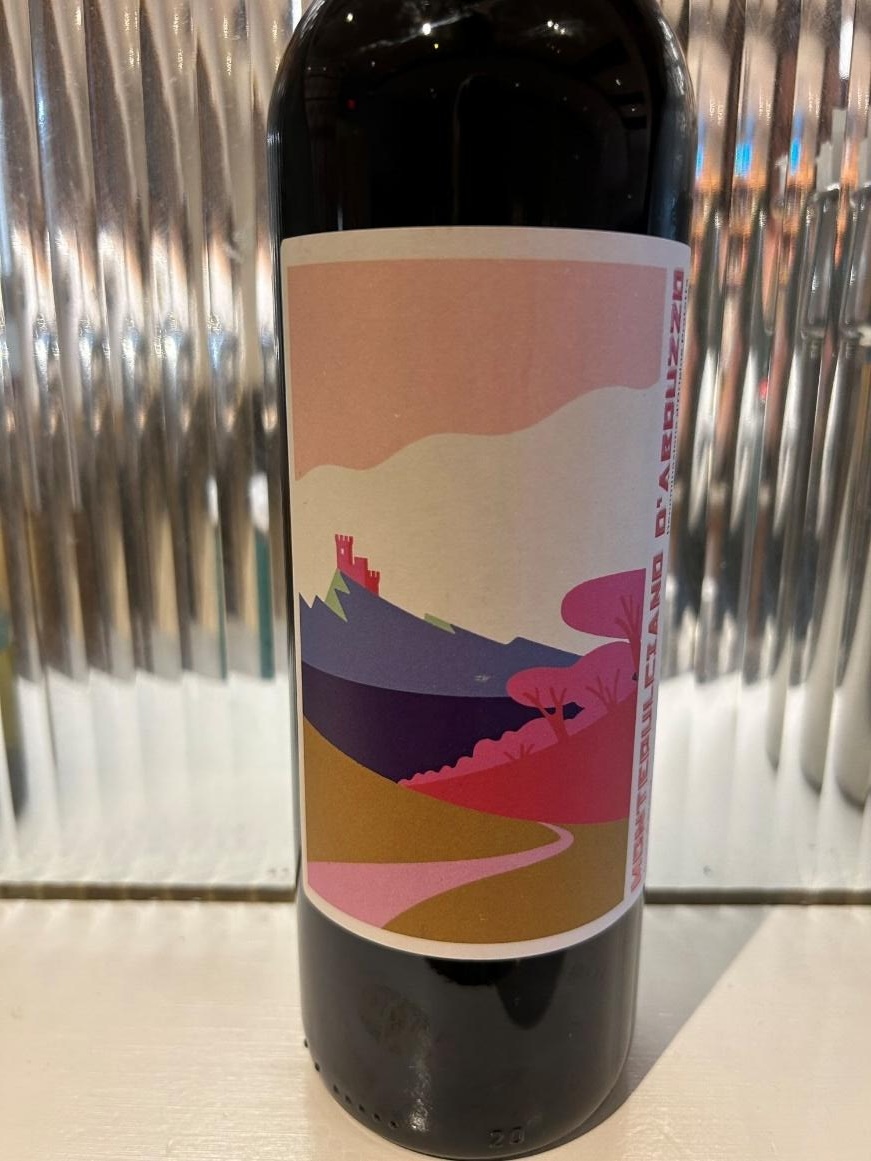
Wine of the Week: Montepulciano D’Abruzzo from the Coste Di Brenta Winery

December 5, 2025 by Jennifer Martella

Ciao Tutti!

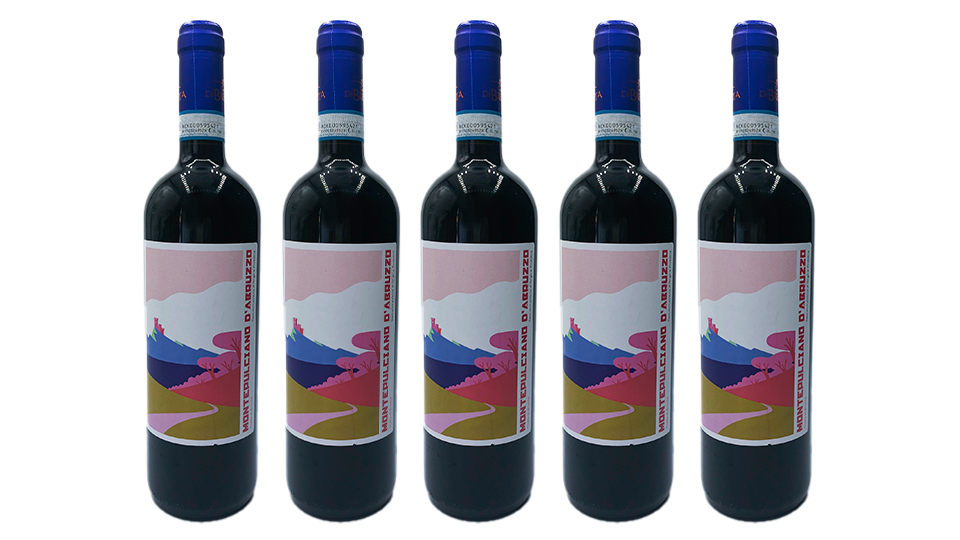
This weekend we will taste a new wine to our collection, the Montepulciano D’Abruzzo ($14.50, 13.5% ABV)  from the Coste Di Brenta winery  in Lanciano, Abruzzo. The colorful abstract label pays tribute to Abruzzo’s unique geography of the Apennine Mountains, three national parks and over thirty nature reserves that cover over two thirds of the its area; deep valleys, the Adriatic Sea,  hilltop towns and castles dating from the medieval and Renaissance periods. 

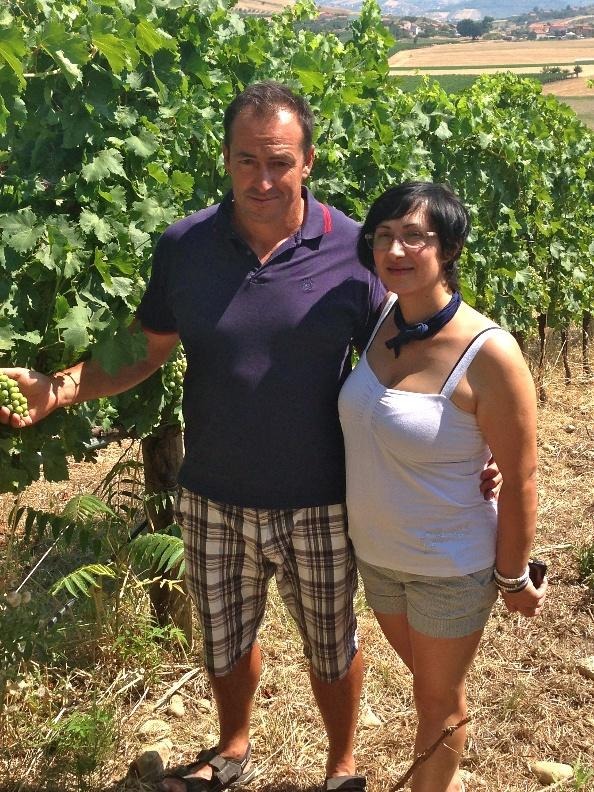
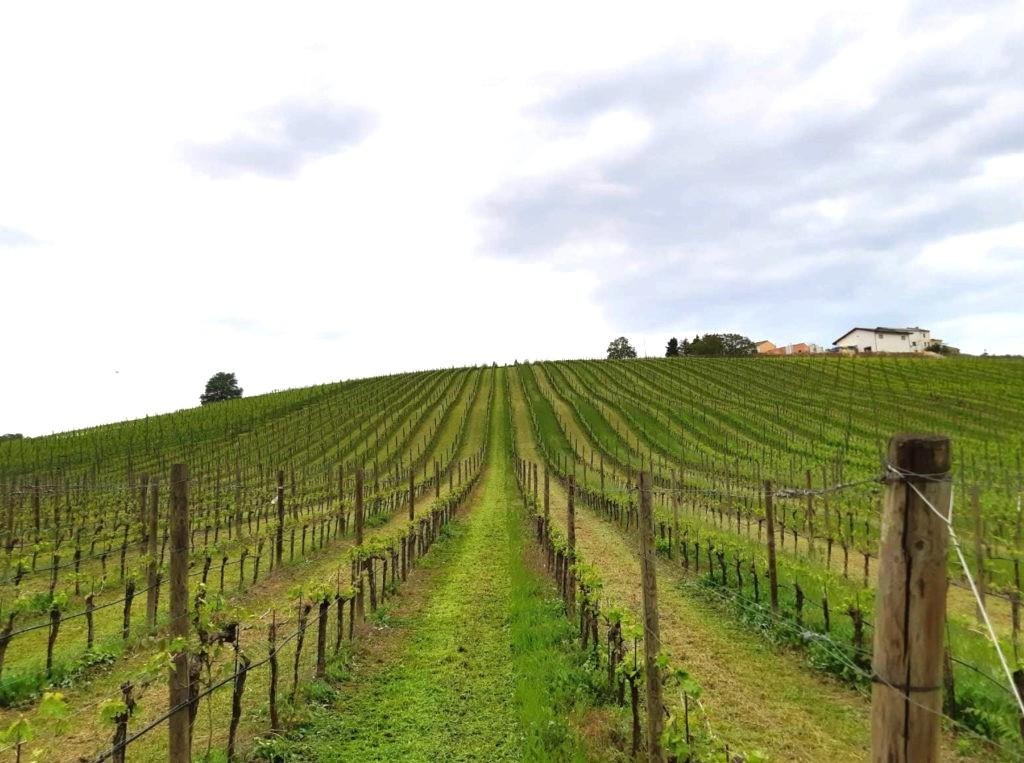
The importer for this wine, Williams Corner, has a reputation for seeking passionate artisan winemakers whose work is done in an environmentally conscious manner. Coste Di Brenta’s 17+ hectares organic farm is set high on a hill between the Majella Mountains and the Adriatic Sea. Founded in 2004, it is a family endeavor with Augusto Tano, his wife Anna Giovana Di Ludovico and their three children. 

The property had been in Augusto’s family for many generations when Augusto and Giovanna  became the managers and renovated the 17+ hectares of vineyards and the cellar. From the beginning, they were committed to organic viniculture. Abruzzo is a region known for estates with large productions; Costa Di Brenta stands out with their emphasis on production of small-batch, high quality wines.

Their 100% Montepulciano is a blend of cherries and mixed berries infused with soft earthy notes on the nose, lush fruit  flavor, medium to full body, soft tannins with a long finish and a touch of acidity. Pair with Piazza’s pizza or pasta dishes hearty soups and stews. 

Come join me for a taste on Friday from noon to 5:45; please note that special Saturday tasting hours are 11 to 2:30, as I am a member of the Easton Choral Arts Society and I must leave Piazza early for our Saturday concert. 

Cin Cin!

Jenn


Piazza Italian Market is located in the Talbot Town Shopping Center at 218 N. Washington St., suite 23, in Easton, MD

Contributor Jennifer Martella has pursued dual careers in architecture and real estate since she moved to the Eastern Shore in 2004. She has reestablished her architectural practice for residential and commercial projects and is a real estate agent for Meredith Fine Properties. She especially enjoys using her architectural expertise to help buyers envision how they could modify a potential property. Her Italian heritage led her to Piazza Italian Market, where she hosts wine tastings every Friday and Saturday afternoons.
The Spy Newspapers may periodically employ the assistance of artificial intelligence (AI) to enhance the clarity and accuracy of our content.

Filed Under: 00 Post to Chestertown Spy, Food and Garden Notes

Adkins Arboretum Mystery Monday: Guess the Photo!

December 1, 2025 by Adkins Arboretum

Happy Mystery Monday! Can you guess what is pictured in photo #1?

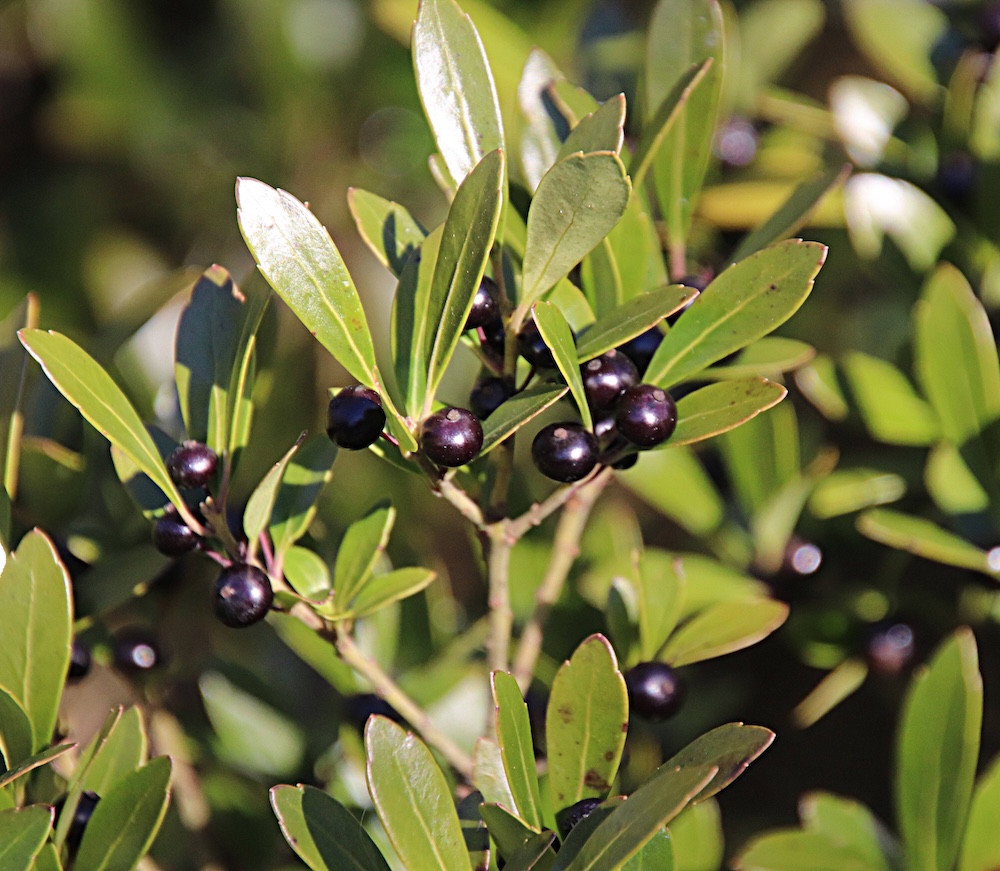
The answer to last week’s mystery is inkberry holly, Ilex glabra, pictured in photo #2.

A hardy evergreen native to the eastern and southeastern United States, inkberry holly, Ilex glabra, is a familiar shrub across the Atlantic Coastal Plain. It thrives in a range of habitats but is most at home in damp or wet soils, where its glossy, narrow leaves provide reliable winter interest. Spreading naturally by stolons, inkberry often forms tidy colonies that lend themselves well to massing, hedges, windbreaks, and even rain gardens.

Its nectar-rich flowers support a wide array of pollinators—including specialist bees—and the shrub serves as a larval host for Henry’s elfin butterfly. Like other hollies, its berries are an important food resource for wildlife, though gardeners should remember that inkberry is dioecious, with separate male and female plants required for berry production.

Low-maintenance, versatile, and excellent for erosion control along streams and pond edges, inkberry holly has long been valued both ecologically and culturally. Its nectar is the source of the highly regarded “gallberry honey,” prized for its mild flavor and clarity.

Mystery Monday is sponsored by the Spy Newspapers and Adkins Arboretum.

The Spy Newspapers may periodically employ the assistance of artificial intelligence (AI) to enhance the clarity and accuracy of our content.

Filed Under: Food and Garden Notes, 00 Post to Chestertown Spy

Wine of the Week: Rosso del Veronese IGT

November 28, 2025 by Jennifer Martella

I hope everyone had a great Thanksgiving and safe travels!

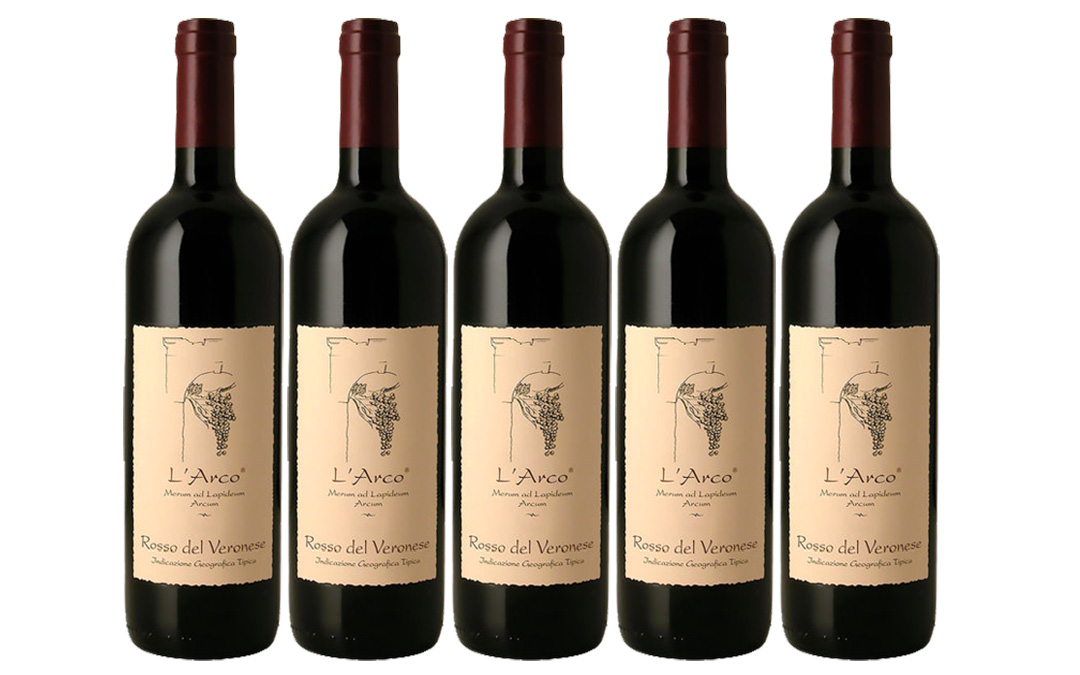
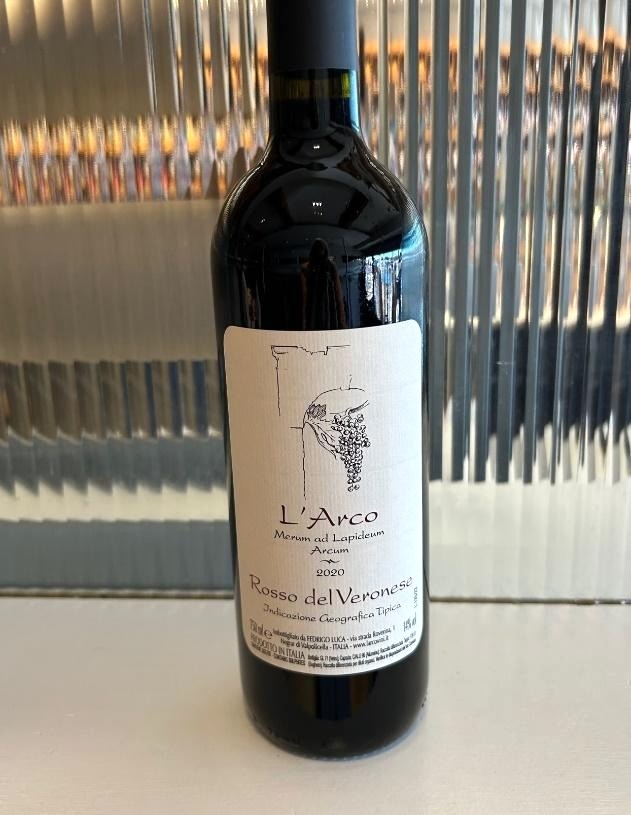
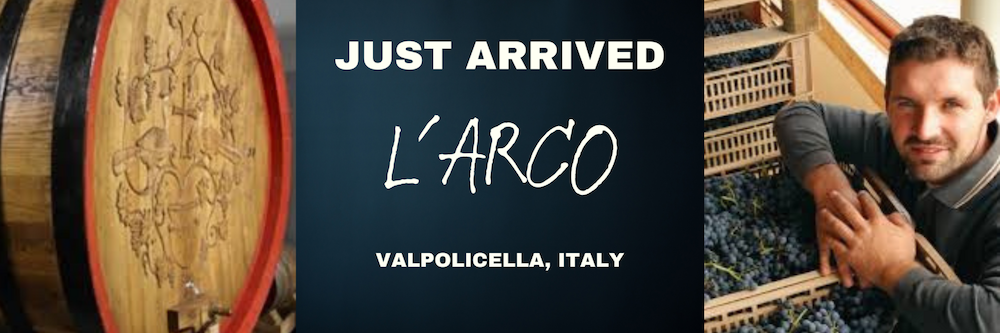
This weekend at Italian Market we will welcome the annual return of another of my fave wines for fall, the Rosso del Veronese IGT ($35.75, 14% ABV) ) from the L’Arco Vivi di Luca Fedrigo, in the Valpolicella region of the Veneto. The winery is named for the “Arco di Giove”, the only one of seven arches dating from the 16th and 17th centuries that remain on the road to Negrar, near the winery. It is winemaker Luca’s link to his past and its image adorns his hand sketched wine labels. I thought the text “Merum ad Lapideum” might be a family motto but the Latin translation is only “a mere stone”. 

Rosso del Veronese IGT

The story of Luca Fedrigo begins with his meeting the legendary winemaker Giuseppe Qunitarelli. The winemaker’s granddaughter was a close friend of Fedrigo and she persuaded Quintarelli into giving Fedrigo a job on the estate. Fedrigo began working in the garden and soon more than flowers blossomed. Fedrigo then began an apprenticeship in the winery, under Quintarelli’s supervision. The two worked side by side with each other for more than ten years as Fedrigo absorbed Quintarelli’s passionate respect for the Veneto’s terroir, indigenous grapes and tradition.

In 1998, Fedrigo founded L’Arco by planting 2.2 hectares of vines that were surrounded by his father’s vineyards from the 1960’s. His cellar was in the basement of the old family home.  Fedrigo personally manages all aspects of sustainable production, including using natural yeasts and aging the wines in wood barrels from Slovenia. Fedrigo is a true artisan winemaker whose wines differ from year to year, depending upon the blends he uses to make the best wines he can. Testament to his vision is that his wines sell out year after year. 

Fedrigo’s Rosso del Veronese is a blend of 50% Corvina and Corvinone, 30% Rondinella,15% Sangiovese Grosso and 5% Molinara. It is fruit-forward with herbal aromatics, good tannin and acidity; pair with Piazza’s pasta or risotto with meat and/or mushroom sauces. Come join me Friday from noon to 5:45 or Saturday from noon to 4:45 to welcome back this delicious red wine!

Cin Cin,

Jenn


Piazza Italian Market is located in the Talbot Town Shopping Center at 218 N. Washington St, suite 23, in Easton, MD.

Contributor Jennifer Martella has pursued dual careers in architecture and real estate since she moved to the Eastern Shore in 2004. She has reestablished her architectural practice for residential and commercial projects and is a real estate agent for Meredith Fine Properties. She especially enjoys using her architectural expertise to help buyers envision how they could modify a potential property. Her Italian heritage led her to Piazza Italian Market, where she hosts wine tastings every Friday and Saturday afternoons.
The Spy Newspapers may periodically employ the assistance of artificial intelligence (AI) to enhance the clarity and accuracy of our content.

Filed Under: 00 Post to Chestertown Spy, Food and Garden Notes

Adkins Arboretum Mystery Monday: Guess the Photo!

November 24, 2025 by Adkins Arboretum

Happy Mystery Monday! Can you guess what is pictured in photo #1?


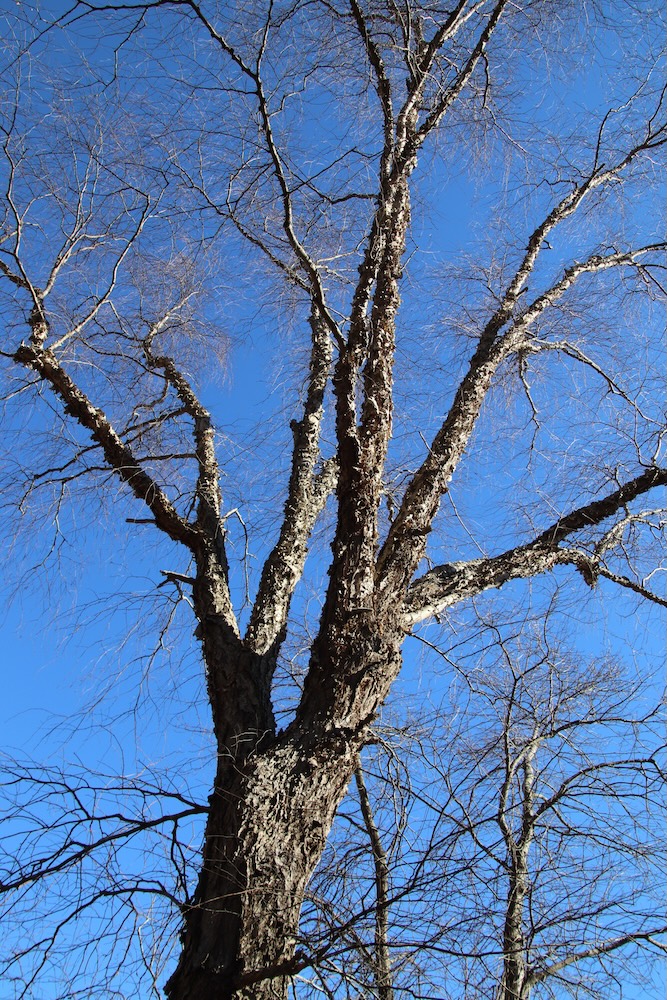
The answer to last week’s mystery is the river birch, Betula nigra, pictured in photo #2.

Found across the eastern and central United States, the river birch, Betula nigra, is the southernmost of all native birches, and the only one that naturally grows at low elevations. Its shimmering, peeling bark is one of its most recognizable features. This exfoliation is a natural process that helps the tree shed pests, disease organisms, and other hitchhikers like lichens, mosses, and fungi.

More heat-tolerant and disease-resistant than any other birch, the river birch thrives along streambanks, floodplains, and other moist sites where it helps stabilize soil and reduce erosion. In exceptionally dry conditions, river birch may drop some of its leaves as a water-saving strategy. In cultivation, it can be trained as a single trunk or a multi-trunked specimen—both forms showing off that distinctive bark.

The river birch is also notable for what it doesn’t suffer from: it’s the only North American birch naturally resistant to the destructive bronze birch borer. However, it is a “bleeder,” and pruning or accidental wounds cause sap to flow freely, attracting insects, some of which become stuck in the sticky drips. Late Spring flowering rounds out the appeal of this adaptable, resilient native tree.

Mystery Monday is sponsored by the Spy Newspapers and Adkins Arboretum.

The Spy Newspapers may periodically employ the assistance of artificial intelligence (AI) to enhance the clarity and accuracy of our content.

Filed Under: Food and Garden Notes, 00 Post to Chestertown Spy

Wine(s) of the Week: Thanksgiving Trio 2025

November 21, 2025 by Jennifer Martella

Ciao Tutti!

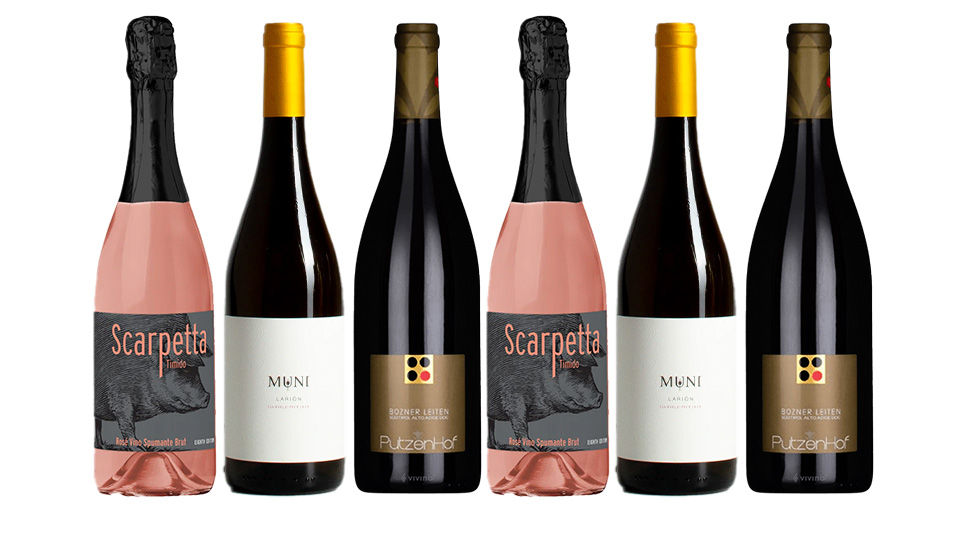
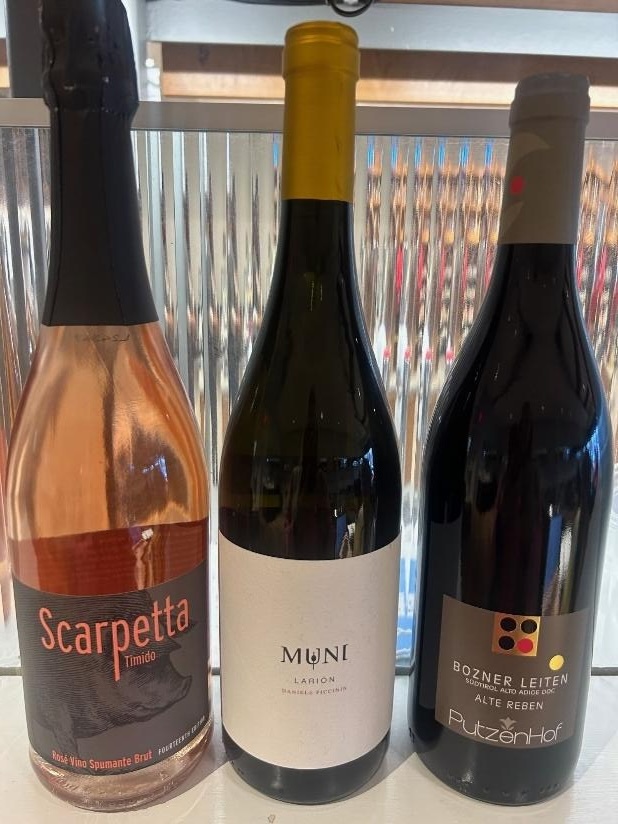
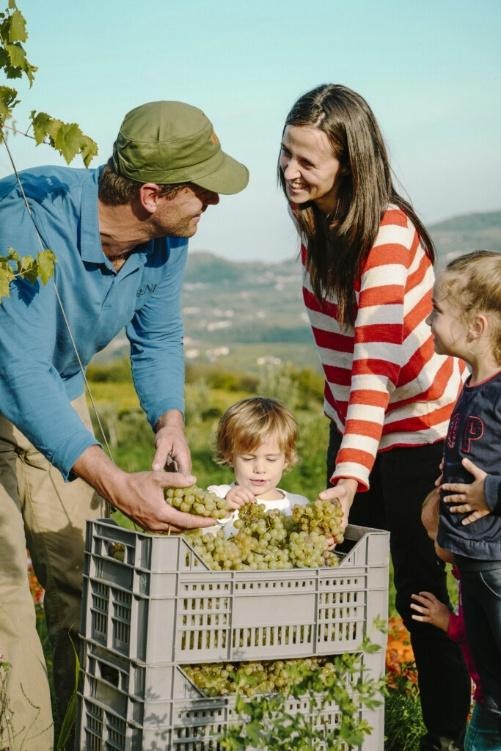
This is the weekend before Thanksgiving so once again at Piazza Italian Market, we will offer a trio of wines for your consideration to accompany your Thanksgiving feast. For a gathering wine that could also accompany your turkey and cranberry sauce, , we suggest the “Timido”( $14.50, 12 % ABV);  from the Scarpetta Winery in Friuli Venezia Giulia; for a white wine we suggest the “Muni Larion” ($24.25, 12.5% ABV) from the Daniele Piccinin winery near Verona and for a red wine we suggest the “Bozner Leiten /Alte Reben ( $21.25, 12.5% ABV) from the PutzenHof winery near Bolzano in Alto Adige.  Since Thanksgiving is all about food and family, I have inserted pictures of the families or individuals who produce  their wines:

Scarpetta: ”Timido” Rose’ Vino Spumante Brut                                                            

Many years ago, Lachlan Patterson, former chef of California’s iconic French Laundry and Bobby Stuckey, Master Sommelier, fell under the spell of Italy’s Friuli-Venezia region tucked into the NE corner of Italy. Their dream of opening a restaurant whose cuisine would be based upon authentic Friulian recipes came true when they opened a restaurant Frasca Food and Wine, in Boulder, CO. The duo traveled to Friuli several times a year to discover local foods and recipes for their restaurant.

In 2007, the talented duo decided to create their own wine brand and christened it “Scarpetta” to immortalize the Italian name for the tiny morsel of bread left on one’s plate for soaking up the last bit of delicious sauce. Their Scarpetta brand began with 50 cases of old vine Friulano that was sold at Frasca Food and Wine. Their ultimate goal was to create a portfolio of affordable wines. The Friulano was a big hit with the restaurant’s customers who clamored for more Friulian varieties including their Rose Vino Spumante Brut. Patterson and Stuckey continue to seek  out partnerships with both established growers and celebrated oenologists that spotlight each grape variety. 

Their “Timido” is my fave go-to wine for aperitivi or brunch but many of Piazza’s customers serve this wine throughout their Thanksgiving meal since it pairs very well with cranberry sauce. I like Timido for its aromatics, flavors of honeysuckle and green apple with notes of melon, hazelnuts and melon. 

Perfetto for those of you who enjoy a sparkling wine throughout  your celebration!


Daniel Piccinin: Muni Larion IGT

In 2006, Daniele Piccinin left his career in the restaurant business to fulfill his dream of his own winery with the purchase of seven hectares in the Veneto. From the beginning, he embraced a natural approach to viticulture, and he soon discovered VinNatur, the 300 member organization representing 12 countries who share a common goal to “put the terroir of their homeland into a wine bottle, while making as little impact as possible on the environment and making a wine that is authentic and alive. His dedication to their principles resulted in his becoming the organization’s Vice President.

“Bianco Veneto” identifies this wine as a blend, but Piccinin wanted a name that better defined this special blend of 85% Chardonnay and 15% Durella grapes so he chose “Larion” since San Gioani Larion is the dialect version of the municipality where the winery is located . 

I like Larion’s rich aromas of ripe fruit and floral nuances, dried fruit and spicy notes, good structure and great acidity for food. 

Perfetto for those of you like me who want a white wine for your celebration!


Putzenhof: Bodzer Leiten Sudtirol Alto Adige Alte Reben DOC

Putzenhof’s story begins in 1956, when Johann and Viktoria Schweigkofler purchased the Putzenhoff estate. The road to the estate was arduous, the vineyards were old (“Alte Reben” means old vines) and had been neglected for years and the dilapidated buildings would require extensive renovation. 

What looked like a poor real estate investment to the untrained eye, to the Schweigkoflers, the property’s potential was worth the price. Instead of liabilities, they saw vineyards at the foot of a granite wall, (ideal for winemaking because granite’s high thermal mass and insulating properties naturally maintain cool, stable temperature and consistent humidity); slopes with southwestern exposure, good drainage and ideal climate conditions for winemaking. 

The third generation of the family, grandson Roman Mottironi, practices organic viticulture and manages the 5.5 hectares of vines and 1.5 hectares of apple trees on the estate.  Since 2009, Mottironi began bottling and labelling the wines made with the estate grown grapes. 

Bozner Leiten is 85% Schiava and 15% Lagrein-both Alto Adige indigenous grapes. I like Bozner Leiten for its fruity, intense nose, black cherry and violet notes, and its round and well balanced palate. 

Perfetto for those of you who want a lighter red for your celebration!

Cin Cin,

Jenn


Piazza Italian Market is located in the Talbot Town Shopping Center at 218 N. Washington St., suite 23, in Easton, MD

Contributor Jennifer Martella has pursued dual careers in architecture and real estate since she moved to the Eastern Shore in 2004. She has reestablished her architectural practice for residential and commercial projects and is a real estate agent for Meredith Fine Properties. She especially enjoys using her architectural expertise to help buyers envision how they could modify a potential property. Her Italian heritage led her to Piazza Italian Market, where she hosts wine tastings every Friday and Saturday afternoons.
The Spy Newspapers may periodically employ the assistance of artificial intelligence (AI) to enhance the clarity and accuracy of our content.

Filed Under: 00 Post to Chestertown Spy, Food and Garden Notes

Adkins Arboretum Mystery Monday: Guess the Photo!

November 18, 2025 by Adkins Arboretum

Happy Mystery Monday(ish!) Can you guess what is pictured in photo #1?
The answer to last week’s mystery is New York Ironweed, Vernonia noveboracensis, pictured in photo #2.
Standing tall in late Summer meadows, New York Ironweed, Vernonia noveboracensis, is one of the most striking native wildflowers of the Eastern Shore. Belonging to a genus that includes 17 species across North America, this hardy perennial is easily recognized by its tall purple flower clusters—composed entirely of disc florets rather than the daisy-like rays typical of many asters.
Ironweed blooms are a vital late-Summer resource, offering nectar and pollen to butterflies, bees, and other pollinators. Long-horned bees rely on it for pollen, and the American painted lady butterfly uses it as a host plant for its caterpillars. By Autumn, the tall, unbranched stems that seemed weedy all Summer are crowned with seed heads that glow in the early morning light.
Ironweed can be established either via underground rhizomes or seeds collected from wild plants. Though its seeds can be slow to germinate, often requiring a cold period and a bit of patience, ironweed is easy to grow once established. Found in moist meadows and lowlands, it adds height, color, and ecological value to any naturalized landscape.
Mystery Monday is sponsored by the Spy Newspapers and Adkins Arboretum.

The Spy Newspapers may periodically employ the assistance of artificial intelligence (AI) to enhance the clarity and accuracy of our content.

Filed Under: 00 Post to Chestertown Spy, Food and Garden Notes

Next Page »

Copyright © 2025

Affiliated News

  • The Chestertown Spy
  • The Talbot Spy

Sections

  • Arts
  • Culture
  • Ecosystem
  • Education
  • Mid-Shore Health
  • Culture and Local Life
  • Shore Recovery
  • Spy Senior Nation

Spy Community Media

  • Subscribe
  • Contact Us
  • Advertising & Underwriting

Copyright © 2025 · Spy Community Media Child Theme on Genesis Framework · WordPress · Log in